Diverse Collection of Colorful Flat Desi
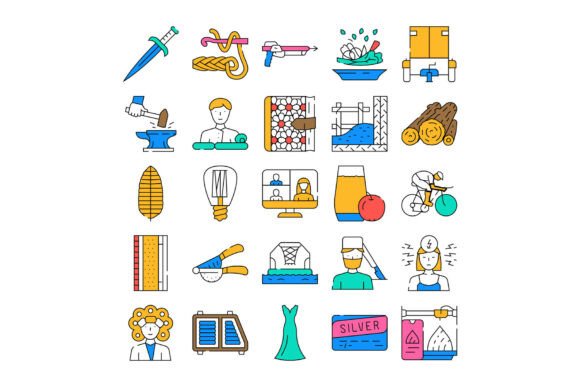
If you're designing a website, crafting social media visuals, building an app, or preparing classroom materials—and you want icons that feel warm, culturally grounded, and instantly recognizable—this collection is built for you. The Diverse Collection of Colorful Flat Desi isn’t just another set of generic symbols. It’s a thoughtfully curated library of flat, vibrant icons rooted in South Asian everyday life: from chai cups and handloom looms to coding laptops, yoga mats, street food carts, and school chalkboards—all rendered with clarity, consistency, and joyful color.
What Makes This Collection Stand Out
Unlike many icon sets that prioritize global neutrality over local resonance, this one celebrates specificity without sacrificing usability. Each icon is flat (no gradients or shadows), scalable (works at any size), and designed with clean lines and balanced negative space. Colors are bold but harmonious—think turmeric yellow, mango orange, indigo blue, and saffron red—not just for visual appeal, but to reflect real-life textures and moods.
The range covers more than 300 symbols across key categories: traditional crafts like pottery and block printing, modern tech roles like UX designers and data analysts, foods like dosas and jalebis, daily activities like commuting on auto-rickshaws or attending community festivals, and professions including teachers, nurses, farmers, and tailors. Nothing feels tokenized; everything feels lived-in.
Who Benefits—and Why
Beginners appreciate how quickly they can start using these icons—no design degree required. A small business owner launching a wellness blog might pick the ayurvedic herbs icon for a sidebar menu. A teacher creating a bilingual worksheet could use the school bag or notebook icon to label sections clearly. A freelance developer building a fintech dashboard for Indian users might choose the UPI logo or mobile recharge symbol instead of abstract dollar signs or credit cards.
For marketers, these icons help build authentic connections. Using culturally resonant imagery signals respect and understanding—especially important when targeting regional audiences or diaspora communities. Educators find them invaluable for visual storytelling, making complex topics more accessible to young learners or multilingual classrooms. Even hobbyists assembling mood boards or planning wedding invitations love the expressive yet professional tone.
Where These Icons Come Alive
You’ll see them working quietly—and effectively—in many places:
- Websites & Apps: Navigation menus, feature highlights, loading states, or empty-state illustrations—especially useful for startups serving Indian or South Asian markets.
- Social Media & Presentations: Infographics about sustainable farming, slides explaining digital literacy, or Instagram carousels about home-based crafts.
- Educational Materials: Flashcards for vocabulary building, step-by-step guides for traditional recipes, or interactive e-learning modules on local history.
- Print & Merchandise: Posters for community health drives, packaging labels for artisanal spice brands, or stickers for student notebooks.
Because each icon is vector-based (SVG format included), resizing doesn’t blur edges. And since colors are defined with accessible contrast ratios, they meet basic WCAG guidelines—helping ensure your content remains readable for people with low vision.
Real-Life Uses You Can Try Today
Imagine you run a small online store selling handmade dhurries. Instead of stock photos or vague “home decor” icons, you drop in the handwoven rug icon beside product titles—or pair it with the weaver at loom icon on your “About Us” page. Instantly, your brand feels more personal and trustworthy.
Or say you’re drafting a newsletter about financial inclusion. Rather than relying only on text, you add the savings jar, cooperative bank, and mobile banking icons next to bullet points. Readers grasp concepts faster—and remember them longer.
Even simple tasks gain polish: a parent creating a weekly chore chart for their kids might use the broom, washing machine, and watering can icons to make responsibilities visual and fun.
Things to Keep in Mind Before You Use Them
First, check licensing. Most versions of the Diverse Collection of Colorful Flat Desi allow personal and commercial use—but always verify whether attribution is required, especially if you’re embedding icons directly into client projects or SaaS platforms.
Second, consider context. While cultural authenticity is a strength, avoid assumptions. An icon of a temple bell may resonate deeply in some settings—but might not fit a secular government health campaign. When in doubt, test with your audience or consult a cultural advisor.
Third, think about cohesion. These icons shine brightest when paired with typefaces and layouts that complement their energy—not compete with it. Avoid overly ornate fonts or clashing color palettes that distract from the clarity of the symbols themselves.
Lastly, remember: icons support meaning—they don’t replace it. A chai cup icon works beautifully as a menu item for “Contact Us” on a café’s site—but only if users already associate that symbol with connection or conversation. Pair it with clear labeling, especially for first-time visitors.
A Resource That Grows With You
Whether you're sketching wireframes on paper, coding a React component, or pasting assets into Canva, this collection adapts. Many versions include Figma and Adobe XD files, so designers can tweak stroke weights or recolor on the fly. Developers get clean SVG code ready for inline use or CSS styling. And because updates are released seasonally—with new icons added for emerging trends like electric rickshaws or telemedicine—the set stays relevant without losing its core identity.
It’s not about checking a box for “diversity.” It’s about choosing tools that reflect the world as it actually is—full of color, craft, connection, and quiet moments of everyday brilliance. That’s what makes the Diverse Collection of Colorful Flat Desi more than just icons—it’s a small but meaningful way to honor complexity, welcome different perspectives, and design with intention.